One of the first things to consider when establishing a preparedness plan is your power supply. There are many ways to achieve this, but there are also costs to consider. Not everyone can afford to install a whole home standby generator. Some of us are struggling to come up with a portable gas generator. This is the norm but they typically only provide enough power for a few essentials. It is definitely a great tool in your arsenal, however when you are just beginning your journey in survival techniques, there is another amazing option.
A portable generator is more affordable but they get expensive when you are looking for upwards of 10,000 watts. This is the amount of wattage you will need to operate majority of your home. But then you need a transfer switch to isolate the home from main power. This keeps YOU from back-feeding power into the lines and potentially injuring a lineman or neighbor. You may need to have an electrician install one also. Gas generators require refueling, they are heavy, likely to be stolen and they are LOUD! Whole home generators are great, they come on instantly, they are much quieter, typically installed with an automatic transfer switch and they are permanently installed. They are also very expensive. What happens when you spend all that money for automation and convenience and the natural gas supply is disrupted? Better to have a propane generator, but if there is no place to buy propane, it’s a big problem. You CAN’T use your BBQ Grill bottle on it!!!
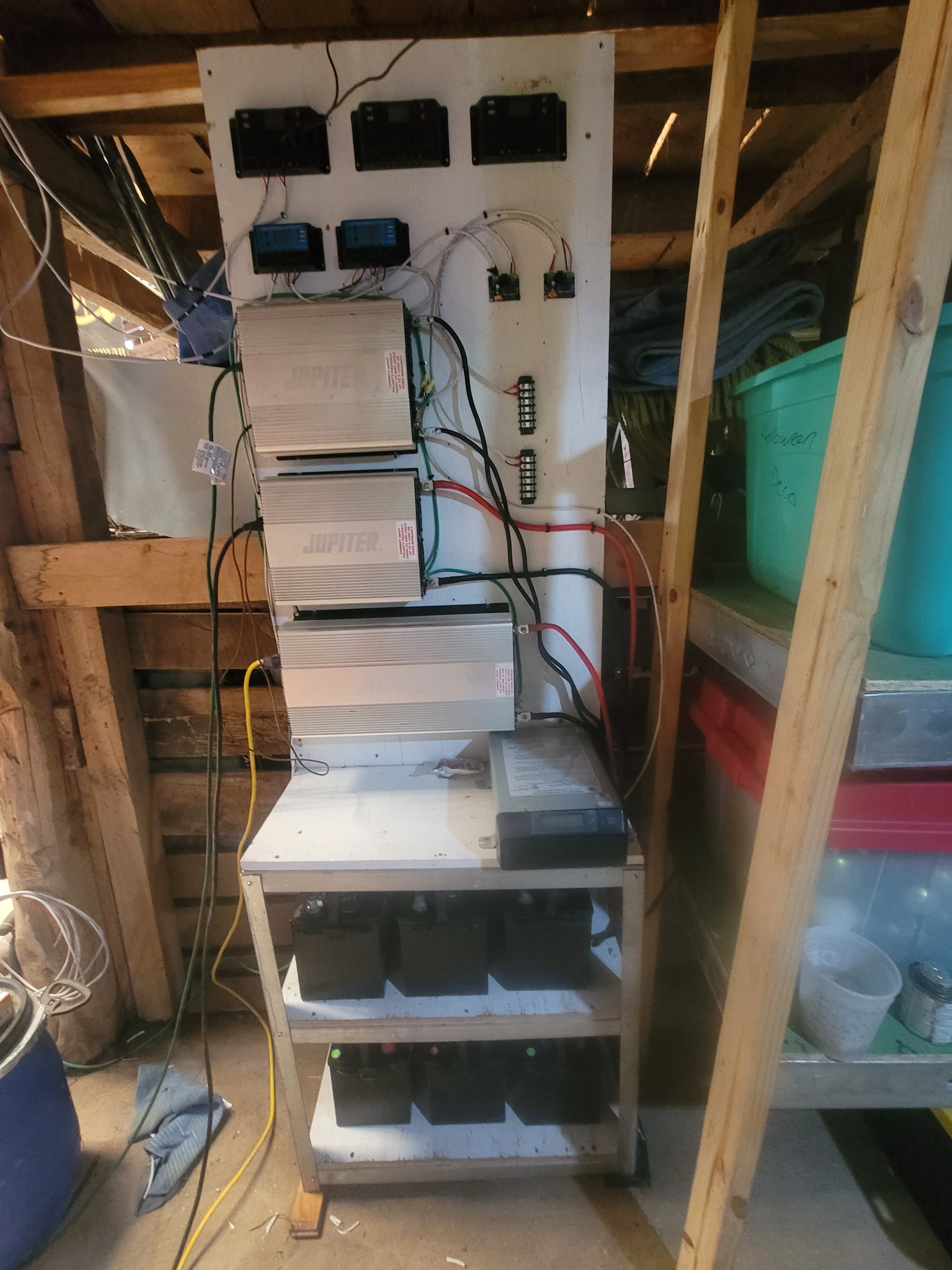
That brings us to the solar option. With a few 100 watt solar panels, some wire, a solar controller / regulator, at least one deep cell battery and an inverter, you will have instant, endless, free, quiet and reliable power. They are easy to configure and install. You can set it up inside your home and they don’t attract attention when others are doing without. With the right set up and extra batteries you can add up to 10-15kw for a fraction of the cost of a potable gas generator. The best part is that this system is always on and always ready. You simply turn on the inverter (s) and start plugging into them. Now you can keep a freezer, lights, water pump and lights running to get you through. The mor batteries you have, the longer it will run. If you have enough solar panels to match the output to the inverter, you can go for a while. Full disclosure, if the sun stays hidden for several days, that can be a problem. There are also AMORPHOUS solar panels that have the same wattage as crystalline panels and they only need ambient light to produce power rather than direct sunlight. It does not take a ton of sunlight to recharge your batteries. With reasonable use this system can last a lot longer than a gas generator. I have attached a photo of the first system I ever built out in the barn. We have enjoyed off grid power for a long time. Just a side note; there are two 3,000 watt and one 5,000 watt inverter on this set up. The batteries are divided up based on the needs of each inverter. I haven’t run it out yet! With a few portable LED lights, we get everything we need from this.
